
In a significant leap for space exploration and infrastructure reliability, cutting-edge AI-driven sensor networks and sophisticated machine learning models are revolutionizing how launch pads are maintained. This proactive approach, known as AI predictive maintenance space, is gaining rapid traction across the aerospace industry. It enables real-time data analysis to predict potential failures, optimize maintenance schedules, and significantly enhance structural integrity, directly preventing costly delays and ensuring the unwavering success of critical space missions for entities like Blue Origin and beyond.
How AI Improves Predictive Maintenance in Space
Artificial intelligence is fundamentally transforming predictive maintenance by moving beyond scheduled inspections and reactive repairs. For complex structures like space launch pads, which endure extreme temperatures, immense vibrations, and corrosive environments, traditional maintenance methods often fall short, leading to unexpected downtime. AI systems, however, continuously collect and analyze vast datasets from an array of sensors embedded within the launch pad infrastructure, creating a dynamic, real-time health assessment.
These sophisticated AI models are trained on historical data, including past failures, operational parameters, and environmental conditions, to recognize subtle patterns and anomalies that precede equipment malfunction or structural degradation. By identifying these precursors, AI can flag potential issues days, weeks, or even months before they escalate into critical failures. This capability allows maintenance teams to intervene precisely when and where it's needed, minimizing disruption and maximizing operational efficiency, a critical factor for the demanding schedules of modern space launches.
Furthermore, AI algorithms can learn and adapt over time, becoming more accurate and efficient with every new piece of data. This continuous learning ensures that the predictive models remain robust and relevant, even as launch pad components age or operational procedures evolve. The shift from time-based or reactive maintenance to AI predictive maintenance space is not just an upgrade; it's a paradigm shift towards intelligent, foresightful asset management.

AI Tools for Structural Monitoring: A Deep Dive
The arsenal of AI tools employed for structural monitoring on launch pads is diverse and highly specialized. At its core are high-resolution sensor networks that capture a multitude of physical parameters. These include acoustic sensors to detect micro-fractures or gas leaks, thermal cameras to identify overheating components or material stress, vibration sensors to monitor structural resonance and fatigue, and strain gauges embedded in critical load-bearing elements to measure material deformation in real-time.
Beyond the sensors, the intelligence comes from the machine learning algorithms that process this raw data. Techniques such as deep learning, specifically convolutional neural networks (CNNs) for image and acoustic analysis, and recurrent neural networks (RNNs) for time-series data, are employed to identify anomalies. Anomaly detection algorithms can pinpoint deviations from normal operating conditions, alerting engineers to potential issues long before they become visible to the human eye or trigger conventional alarms.
Moreover, digital twins—virtual replicas of physical launch pads—are increasingly integrated with these AI systems. These digital twins are continuously updated with real-time sensor data, allowing engineers to simulate various stress scenarios, predict the impact of environmental factors, and test maintenance strategies in a virtual environment before implementing them physically. This combination of aerospace AI sensors, advanced machine learning, and digital twin technology provides an unparalleled level of insight into the structural integrity of complex space infrastructure.

Can AI Prevent Equipment Failures? The Aerospace Advantage
The answer is a resounding yes, and the aerospace industry is at the forefront of demonstrating this capability. By accurately predicting when and where a component is likely to fail, AI empowers maintenance teams to perform targeted, preventative interventions. This capability is particularly vital for launch pads, where a single component failure, such as a faulty valve in the propellant loading system or a structural weakness in the flame trench, can lead to mission aborts, extensive damage, and significant financial setbacks.
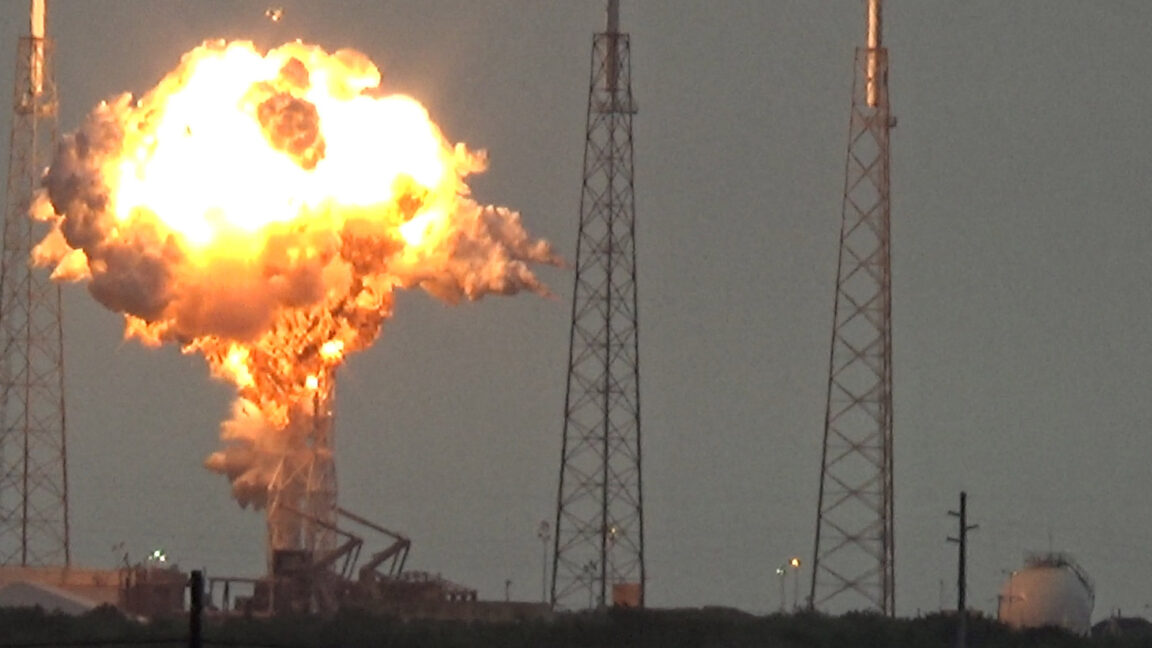
Consider the immense costs associated with launch pad damage. Experts estimate that rebuilding a complex launch pad, like the one Blue Origin uses, can take months, sometimes years, and cost hundreds of millions of dollars, as highlighted by industry veterans discussing a hypothetical scenario in the wake of such an event. AI's ability to identify early warning signs of potential structural degradation or equipment malfunction means that a minor repair can be performed during scheduled downtime, averting a catastrophic failure that would necessitate an entire rebuild.
Machine learning in aerospace maintenance is not just about prediction; it's about optimization. AI can recommend the optimal time for maintenance, balancing the risk of failure against the cost of intervention. This intelligent scheduling minimizes operational downtime while ensuring maximum safety and reliability, contributing directly to AI for launch pad safety and mission success. The proactive nature of AI-driven maintenance significantly reduces the likelihood of unforeseen equipment failures, safeguarding both human lives and valuable payloads.

"The complexity of modern launch infrastructure means even minor failures can ripple into major delays and financial burdens. AI offers a crucial layer of defense, turning reactive repairs into strategic, preventative actions." - Dr. Anya Sharma, AI Aerospace Consultant
The Broad Benefits of AI in Industrial Safety
The advantages of integrating AI into industrial safety protocols extend far beyond just preventing equipment failures. For space launch facilities, a primary benefit is the dramatic enhancement of overall safety for personnel and assets. By predicting dangerous scenarios, AI systems allow for controlled shutdowns, evacuations, or targeted repairs before hazardous conditions develop. This proactive stance significantly reduces the risk of accidents, injuries, and environmental contamination.
Economically, the benefits are substantial. Reduced downtime, lower maintenance costs due to optimized scheduling, and the avoidance of catastrophic failures translate into significant savings. For companies like Blue Origin, where launch schedules are meticulously planned and any delay can cost millions, preventative maintenance AI ensures operational continuity. Furthermore, the extended lifespan of expensive infrastructure components, thanks to precise and timely maintenance, contributes to a better return on investment.
Beyond the immediate financial and safety aspects, AI fosters a culture of data-driven decision-making. Engineers and technicians gain deeper insights into the performance and health of their assets, leading to continuous improvement in design, operation, and maintenance practices. This holistic approach to space infrastructure AI not only makes launch pads safer and more reliable but also pushes the boundaries of engineering excellence across the entire aerospace sector.

What's Next: The Future of AI in Space Infrastructure
The current applications of AI in launch pad maintenance are just the beginning. The future promises even more sophisticated integrations and capabilities. One significant area of development is the convergence of AI with advanced robotics and autonomous systems. Imagine AI not only predicting a failure but also deploying a robotic system to perform a preliminary inspection or even a minor repair, all without human intervention. This vision of autonomous maintenance could further reduce response times and minimize human exposure to hazardous environments.
Further advancements in explainable AI (XAI) will also play a critical role. As AI models become more complex, understanding *why* a system predicts a particular failure is paramount for human operators to trust and act upon those predictions. XAI will provide transparency into the decision-making process of these algorithms, fostering greater confidence and facilitating quicker, more informed responses from maintenance crews.
Ultimately, the continuous evolution of AI, coupled with increasingly sophisticated sensor technology and advanced materials, will lead to launch pads that are not only more resilient but also more adaptable. These intelligent infrastructures will be capable of self-diagnosis, self-optimization, and potentially even self-healing, ushering in an era of unprecedented reliability and safety for humanity's journey to the stars. The foundation laid by current AI structural integrity monitoring is paving the way for a truly autonomous and secure future in space exploration.
