
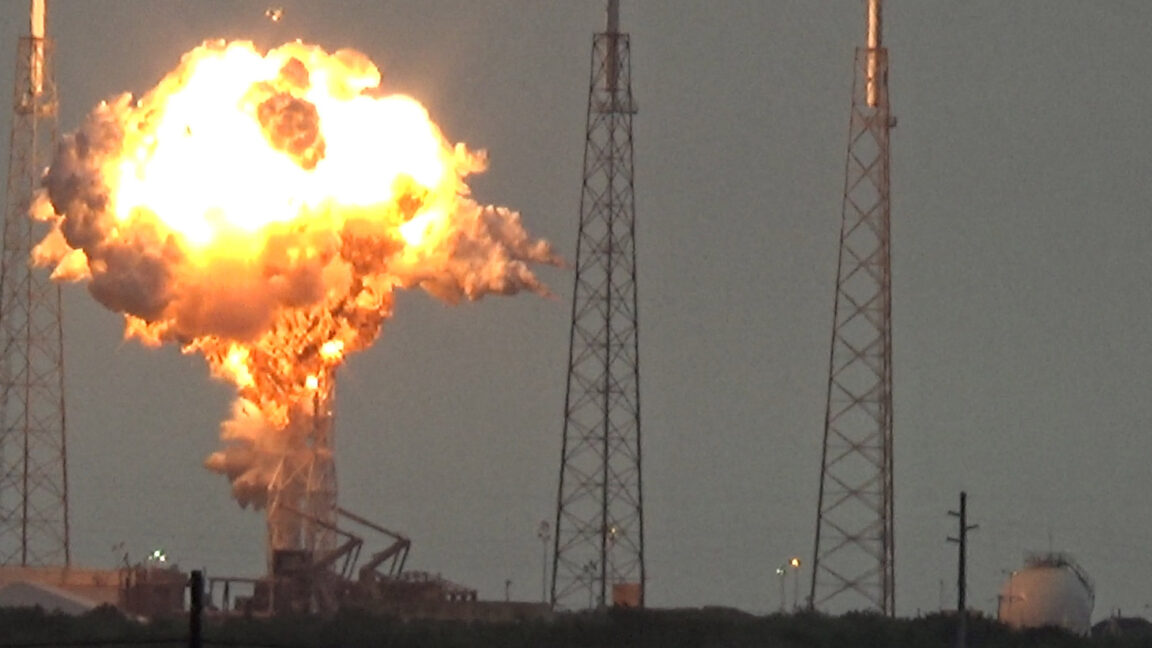
The intricate world of aerospace manufacturing and infrastructure development is increasingly turning to artificial intelligence to navigate its complex supply chains. In a landscape where delays can cost millions and critical components are often bespoke, AI-powered supply chain management tools are emerging as indispensable assets, promising to streamline everything from procurement to logistics and inventory. This technological shift is particularly pertinent for high-stakes projects like the rebuild of a launch pad, such as Blue Origin's recent challenges, where minimizing downtime and optimizing resource allocation are paramount.
AI's Strategic Imperative in Aerospace Logistics
The aerospace sector operates under unique pressures: extreme precision, stringent regulatory compliance, and often, geographically dispersed supply networks. Traditional supply chain methods, reliant on manual tracking and historical data, are proving insufficient against the backdrop of global disruptions and escalating project complexities. The need for a more agile, predictive, and resilient approach has never been more urgent, pushing companies to explore advanced digital solutions.
For entities like Blue Origin, facing the extensive task of rebuilding critical launch infrastructure, the efficiency of their supply chain directly translates to project timelines and budget adherence. Every bolt, sensor, and structural beam must be sourced, tracked, and delivered with pinpoint accuracy. AI offers a transformative layer of intelligence, moving beyond simple automation to provide deep insights and proactive management capabilities that can significantly compress rebuild schedules and reduce unexpected costs.

How AI Optimizes Aerospace Supply Chains
AI optimizes supply chains by injecting predictive analytics, machine learning, and automation into every stage of the process. It begins with data ingestion, where AI systems process vast amounts of information from internal ERPs, external market trends, geopolitical news, and even weather patterns. This holistic data view allows for the identification of patterns and anomalies that human analysts might miss, leading to more informed decision-making.
Fundamentally, AI enhances visibility across the entire supply chain, from raw material suppliers to the final assembly line. By creating a 'digital twin' of the supply network, AI can simulate various scenarios, assess risks, and recommend optimal routes, inventory levels, and supplier choices. This capability is crucial for aerospace, where components often have long lead times and a single delayed part can halt an entire multi-million dollar assembly or construction phase.

Key AI Tools Revolutionizing Logistics and Inventory Management
AI Tools in Logistics
In logistics, AI tools are transforming how aerospace components are moved and tracked. Route optimization algorithms powered by machine learning consider real-time traffic, weather, and geopolitical factors to suggest the most efficient and secure shipping paths. Autonomous vehicles and drones, while still emerging for large-scale aerospace logistics, are being piloted for last-mile delivery of smaller, critical parts within vast manufacturing complexes. Furthermore, AI-driven freight management systems can consolidate shipments, negotiate better rates, and predict delivery windows with unprecedented accuracy, leading to significant cost savings and improved reliability.
Benefits of AI in Inventory Management
For inventory management, AI provides a paradigm shift from reactive to predictive strategies. Traditional methods often lead to either overstocking (tying up capital) or understocking (causing delays). AI leverages historical demand data, project timelines, supplier lead times, and even external market indicators to forecast demand with high precision. This allows aerospace companies to maintain optimal inventory levels for thousands of unique parts, minimizing carrying costs while ensuring critical components are always available when needed.

"The ability of AI to predict demand and optimize inventory is a game-changer for complex projects. We're moving from 'just-in-case' to 'just-in-time, intelligently predicted' inventory, which is vital when you're dealing with components that can take months or even years to manufacture," says Dr. Elena Petrova, a lead AI strategist at AeroTech Solutions.
Predicting and Mitigating Supply Chain Disruptions with AI
One of AI's most powerful applications in the supply chain is its capacity for predictive disruption analysis. By continuously monitoring global news feeds, weather forecasts, geopolitical stability reports, and supplier performance metrics, AI models can identify potential points of failure before they materialize. For instance, an AI system might flag an impending labor strike at a key supplier's plant, a natural disaster in a shipping lane, or a sudden surge in demand for a shared component, allowing companies to proactively seek alternative suppliers or adjust production schedules.
When a disruption is detected, AI doesn't just flag it; it can also propose mitigation strategies. This might include recommending alternative suppliers, rerouting shipments, or even suggesting design modifications to accommodate available components. This proactive, intelligent response capability is invaluable for aerospace projects, where the cost of a delay can be astronomical, as highlighted by the challenges faced in large-scale infrastructure projects like launch pad rebuilds. The ability to pivot quickly and effectively is a direct outcome of AI's analytical prowess.

AI's Role in Modern Aerospace Procurement
In aerospace procurement, AI is transforming the supplier selection and negotiation process. AI-powered platforms can analyze vast databases of potential suppliers, evaluating them not just on cost, but also on historical performance, reliability, ethical practices, and compliance with stringent aerospace standards. This ensures that Blue Origin, for example, can secure the most reliable and compliant suppliers for every component required for a launch pad rebuild.
Beyond selection, AI assists in contract negotiation by identifying optimal terms, predicting market price fluctuations for raw materials, and even automating parts of the bidding process. This leads to more favorable contracts, reduces the risk of supplier-related delays, and ensures a steady, high-quality flow of materials. The integration of AI also helps in managing the lifecycle of parts, from initial procurement through to maintenance and eventual replacement, ensuring long-term operational efficiency.

Practical Impact: A New Era for Space Infrastructure
For aerospace companies, engineers, and ultimately, the pace of space exploration, the practical impact of AI in the supply chain is profound. Reduced lead times, lower operational costs, and enhanced reliability mean that complex projects, like the rebuilding of a launch pad, can proceed with unprecedented efficiency and predictability. This translates directly into faster innovation cycles and more frequent, reliable access to space.
Engineers can spend less time chasing parts and more time on design and integration. Project managers gain clear, real-time visibility into every facet of their supply chain, enabling them to make data-driven decisions swiftly. Ultimately, AI fosters a more resilient and agile aerospace ecosystem, crucial for the ambitious goals of space exploration and commercialization. The ability to accelerate recovery from unforeseen incidents, as suggested by the timeline discussions for Blue Origin's pad rebuild (Ars Technica), underscores the vital role of optimized logistics.
| Metric | Traditional Supply Chain | AI-Optimized Supply Chain | Improvement |
|---|---|---|---|
| Lead Time Variability | High (20-30%) | Low (5-10%) | ~70% reduction |
| Inventory Holding Costs | Moderate-High | Low | ~15-25% reduction |
| Disruption Recovery Time | Weeks-Months | Days-Weeks | ~50-75% faster |
| Procurement Cycle Time | Long (manual processes) | Short (automated insights) | ~30-40% faster |
| Cost Overruns (Supply Chain) | Frequent (5-15%) | Rare (0-2%) | Significant reduction |
The Future Trajectory of AI in Space Supply Chains
The integration of AI into aerospace supply chains is still in its nascent stages, with vast potential for further evolution. Future developments are likely to see even deeper integration with emerging technologies such as blockchain for enhanced transparency and traceability of components, particularly critical for verifying the authenticity and provenance of sensitive aerospace parts. The convergence of AI with advanced robotics and automation will also lead to more intelligent warehouses and automated logistics hubs, further reducing human error and increasing throughput.

As space exploration becomes more ambitious, with plans for lunar bases and Martian missions, the need for robust, self-optimizing supply chains will only grow. AI will be crucial not just for earth-based logistics but also for managing resource allocation and manufacturing in extraterrestrial environments. The ongoing refinement of predictive models, coupled with advancements in reinforcement learning, promises an era where aerospace supply chains are not just efficient but truly intelligent and autonomously adaptive, paving the way for humanity's next giant leaps.