
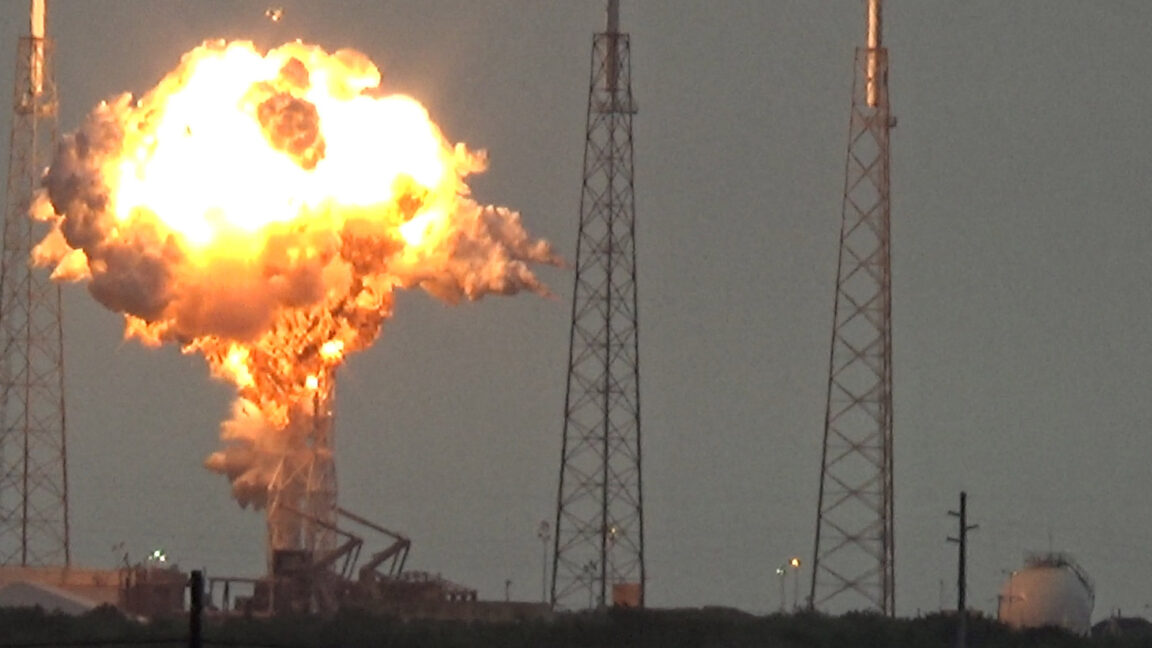
The ambitious frontier of space exploration demands not just cutting-edge rocket technology but also resilient, rapidly deployable ground infrastructure. Following hypothetical scenarios of critical damage, such as a major incident at a launch site, the question of rapid rebuilds becomes paramount. Industry experts, including those with experience from agile aerospace giants like SpaceX, suggest that traditional construction timelines for complex facilities like Blue Origin's launch pads could stretch into years.
However, a new paradigm is emerging: the integration of advanced Artificial Intelligence (AI) tools, from predictive analytics to generative design and AI-powered project management, promises to drastically cut down these crucial rebuild times, fundamentally reshaping the future of space infrastructure development.
How AI is Transforming Space Project Management
In the highly complex and often unforgiving realm of space infrastructure, managing a project of the scale of a launch pad rebuild is an immense undertaking. AI is revolutionizing this by offering unparalleled capabilities in data synthesis, dynamic scheduling, and resource optimization. AI-powered project management platforms can ingest vast amounts of data, including architectural blueprints, engineering specifications, supply chain information, workforce availability, and even real-time sensor data from the construction site. This holistic data integration allows for a comprehensive, always up-to-date view of project progress and potential roadblocks.
These intelligent systems move beyond static Gantt charts, creating dynamic schedules that adapt in real-time to unforeseen challenges, material delays, or changes in resource availability. By continuously analyzing dependencies and critical paths, AI can proactively identify potential bottlenecks weeks or even months in advance, allowing project managers to implement mitigation strategies before problems escalate. This proactive approach is a significant departure from traditional methods, which often rely on reactive problem-solving after issues have already impacted the timeline.
Furthermore, AI excels at optimizing resource allocation, a critical factor in projects with specialized labor and unique materials. It can suggest optimal deployment of heavy machinery, schedule skilled technicians to maximize efficiency, and even predict the best times for specific tasks based on weather forecasts or other environmental factors. For an organization like Blue Origin, focused on aggressive timelines and complex engineering, such AI-driven precision can translate directly into substantial time and cost savings, accelerating recovery and mission readiness.
Can AI Accurately Predict Construction Timelines and Optimize Supply Chains?
One of AI's most impactful applications in infrastructure projects is its ability to provide highly accurate timeline predictions, far surpassing human capabilities. By leveraging machine learning models trained on historical project data, weather patterns, geopolitical stability, and even economic indicators, AI can generate probabilistic timelines that account for a wide array of variables and potential risks. This predictive power allows for more realistic planning and better expectation management for stakeholders, while also highlighting areas where interventions could yield the greatest time savings.
Crucially, AI plays an indispensable role in optimizing the intricate supply chains essential for complex aerospace construction. For a launch pad rebuild, securing specialized alloys, custom electronics, and heavy-duty components from global suppliers is a logistical nightmare. AI can forecast demand for these critical items with unprecedented accuracy, identify potential single points of failure in the supply chain, and even recommend alternative suppliers or expedited shipping routes to mitigate delays. This proactive management of the supply chain minimizes the risk of costly idle time due to missing components.
The benefits extend to just-in-time delivery strategies, where AI algorithms precisely orchestrate the arrival of materials to minimize on-site storage requirements and reduce handling costs. By analyzing real-time traffic data, customs regulations, and supplier lead times, AI ensures that components arrive exactly when needed, keeping the construction flow smooth and continuous. This level of granular control and foresight, powered by AI, could shave months off a multi-year rebuild schedule, a critical advantage in the competitive and time-sensitive space industry.

Advanced AI Tools in Aerospace Engineering and Infrastructure
Beyond project management and logistics, AI is fundamentally changing the engineering and design phase of space infrastructure. Generative design, a powerful AI capability, allows engineers to define design parameters and constraints (such as load requirements, material properties, manufacturing methods, and weight limits), and then the AI algorithm autonomously generates hundreds or thousands of optimized design options. For structural components of a launch pad, this means rapidly iterating on designs that maximize strength-to-weight ratios, minimize material usage, and enhance resilience to extreme conditions like rocket exhaust or adverse weather.
"The ability of AI to explore design possibilities far beyond human intuition, and then simulate their performance in seconds, is a game-changer for critical infrastructure. It's not just about speed; it's about building stronger, safer, and more efficient facilities from the ground up." - Dr. Anya Sharma, AI Engineering Lead, NexusTech Solutions (hypothetical quote)
Furthermore, AI-powered simulation tools are revolutionizing the testing phase, significantly reducing the need for expensive and time-consuming physical prototypes. AI can run complex simulations for fluid dynamics (e.g., rocket exhaust flow), structural integrity under various stresses, thermal management, and even seismic resilience. This virtual testing allows engineers to validate designs, identify potential failure points, and refine components with unparalleled speed and accuracy, ensuring the final structure is robust and reliable. Other AI tools, such as robotic automation for repetitive or hazardous construction tasks and AI-driven quality control systems that detect defects with computer vision, further contribute to efficiency and safety on site.

The Broader Benefits of AI in Space Infrastructure Development
The integration of AI into space infrastructure development offers a multitude of benefits that extend beyond mere speed. It significantly enhances safety by predicting potential hazards and optimizing construction sequences to minimize risks to personnel. It also leads to substantial cost reductions through optimized material use, reduced waste, efficient labor allocation, and minimized project overruns. For companies like Blue Origin, every day of downtime for a launch pad represents lost revenue and delayed mission objectives, making efficiency paramount.
Drawing parallels with the agile development philosophy championed by companies like SpaceX, AI can empower Blue Origin to achieve a similar, if not superior, level of rapid iteration and deployment for its ground systems. While SpaceX has demonstrated impressive speed in rocket development through vertical integration and rapid prototyping, AI can bring that same ethos of accelerated development to the infrastructure side. This means that future launch facilities or lunar base modules could be designed, built, and deployed with unprecedented speed, allowing for more ambitious exploration and commercialization of space.
Ultimately, the benefits of AI in infrastructure development are foundational for the future of space exploration. Faster, more resilient, and more cost-effective construction of launch pads, orbital assembly facilities, lunar habitats, and even Martian outposts will accelerate humanity's reach into the cosmos. The ability to rapidly recover from incidents, adapt to new requirements, and construct complex structures in challenging environments is not just an advantage; it's becoming a necessity for sustained progress in space.

What This Means for Users and the Future of Space Construction
For Blue Origin and other players in the burgeoning space industry, the practical impact of AI integration is profound. It means significantly reduced downtime in the event of unforeseen incidents, ensuring a quicker return to mission readiness. This directly translates to a more reliable launch cadence, crucial for fulfilling contracts with government agencies and commercial clients. Furthermore, the cost efficiencies gained through AI-optimized processes can free up capital for further research and development, accelerating the pace of innovation across the board.
Looking ahead, the role of AI in space construction is only set to expand. We can anticipate the advent of fully autonomous construction robots, guided by AI, capable of building structures in hazardous or remote environments, including the Moon and Mars. AI will also drive the development of self-healing materials, integrating sensors and AI algorithms to detect and repair micro-fractures or environmental damage without human intervention. Predictive maintenance, already a staple in other industries, will become sophisticated enough to anticipate equipment failures before they occur, ensuring uninterrupted operations.
The challenge of rapidly rebuilding critical infrastructure, as explored in discussions around scenarios like a Blue Origin launch pad, underscores the urgent need for innovation. AI offers a compelling solution, transforming every facet of design, planning, and execution. By embracing these intelligent tools, the space industry is not just building faster; it's building smarter, safer, and paving the way for a more accessible and sustainable future beyond Earth. The era of AI-powered space construction is not just on the horizon—it's already beginning to redefine what's possible in humanity's quest for the stars.
